
 Deutsch
 中文
中文
 Français
 Español
 العربية

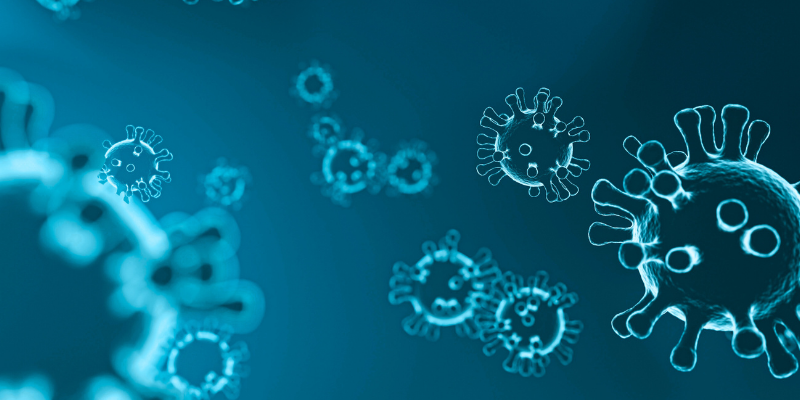
First discovered in Malaysia in 1998, Nipah virus (NiV), carried by fruit bats as the natural host, causes infectious disease that can spread between animals and humans with a high fatality rate of 40% to 75% based on reported cases. Taking into consideration no availability of specific drugs or vaccines for NiV infection and the difficulty of early diagnosis, this virus is posing a moderately serious overall public health risk specifically in countries where cases are commonly reported namely Bangladesh, India, Malaysia, Philippines and Singapore. In the past month, various local authorities have stepped up their game on surveillance and health screening at international entry point against this reemerging viral threat.
Keep reading to learn more about Nipah virus and how your products can help yourself and the community stay protected against this fatal disease.
Understanding Nipah Virus
Nipah virus is a zoonotic virus, with fruit bats (commonly known as flying foxes) as its natural animal host, that can spread from animal to humans and then further transmitted from human to human. Human-to-human transmission has been mostly reported within the healthcare settings through close contact with infected patients.

While there is currently no vaccine, specific drug treatment or any therapies for Nipah virus infection yet, basic preventive care measures can be taken to significantly reduce transmission including avoiding infected individuals and crowds and maintaining good personal and environmental hygiene such as frequent handwashing or sanitizing and disinfecting frequently touched surfaces, especially in food and healthcare settings.
Can your disinfectants or antimicrobial products protect against Nipah virus?
To support a specific claim against Nipah virus, your product should supposedly be successfully tested against Nipah virus itself. However, here is where the challenge is – Nipah virus is unfortunately extremely hazardous, classified as a biosafety level 4 (BSL-4) pathogen, which is the highest level of biocontainment, and most, if not all, commercial laboratories are generally not equipped to handle such level of viruses. Besides that, there is currently also no specific surrogate strain defined in regulations that will be internationally recognized to directly support this claim.
So, what can you do?
First off, we can go by the general virucidal activity claims as defined in EN 14476 or other related EN standards. This includes:
- Virucidal activity – tested against poliovirus, adenovirus and norovirus
- Limited spectrum virucidal activity – tested against adenovirus and norovirus
- Virucidal activity against enveloped viruses – tested against vaccinia virus
How can having those claims help you may ask? Worry not, we will not leave you high and dry without an explanation. Nipah virus is an enveloped virus belonging to the Paramyxoviridae family. According to the European standards, if a product is demonstrated to possess virucidal activity against the respective representative viruses listed above, it is then considered to be effective against at least all enveloped viruses, viruses from the Paramyxoviridae family included. Through this, claims against Nipah virus for your product may be supported indirectly in this way to boost the marketing of your product.
However, it is important to remember that since the product was not tested directly against Nipah virus, evidence for this claim may not be sufficient for regulatory purposes nor for the claim to be listed on the product label.
Here is a summary of European Standards that you can perform for your products against vaccinia virus (MVA) for virucidal activity against enveloped viruses.
| Product Type | Suspension Test | Carrier Test |
| Handrub/handwash | EN 14476 | – |
| Surface disinfectant | EN 16777 (without mechanical action) |
|
| Instrument disinfectant | EN 17111 | |
| Airborne disinfection system | – | EN 17272 |
Let’s help protect your customers and the community from Nipah virus. TECOLAB can test the efficacy of various antimicrobial products such as hand sanitizer, surface disinfectants, antimicrobial gloves, airborne disinfection devices and many more against this fatal virus.
Contact us for a free consultation to evaluate your product’s efficacy against viruses.
